

Planet Torvin of the Pale-light curse

Written by J.L. Lockwood
12/05/2025
The Occulan Archives dives deeper into the artifacts, histories, and recovered writings from across the Aeturnus Continuum. This entry, drawn from “The Pale-Light Curse” explores the early world of Planet Torvin. Check out the free audiobook download on the homepage to learn more!

Though Planet Torvin formed naturally, as one of the first life-bearing worlds within the Bell Quadrant — its organic density would fluctuate greatly through the passing ages. The planet, composed of a copper-rich ferrous crust and a partially crystallized inner core, would become home to some of the earliest hominids known to the galaxy.
The atmosphere, laden with vaporous clouds — created unpredictable bands of solar blockage, leaving lifeforms in a constant flux between darkness and storm, wind and calm. Yet between these tempests, vast rifts of sunlight would open for long spans of time, fed by groundswells of carbon-rich geothermal gasses that thinned the clouds and warmed the lowlands. Torvin’s distant yellow dwarf sun sustained this cycle for many ages. Life arose in much the same fashion as on Conlann, humanity’s cradle world - through long epochs of geothermal upheaval, biological surges, extinction events, and slow chemical and mineral transformations.
The wildlife of Torvin reflected this ceaseless balance. Its ecosystems, shaped by storm and sun alike, gave rise to a vast diversity of forms. In the Age of Ancients, that balance would bear its richest fruit: countless kinfolk, each molded by their biomes and histories — scattered across the many faces of the world.
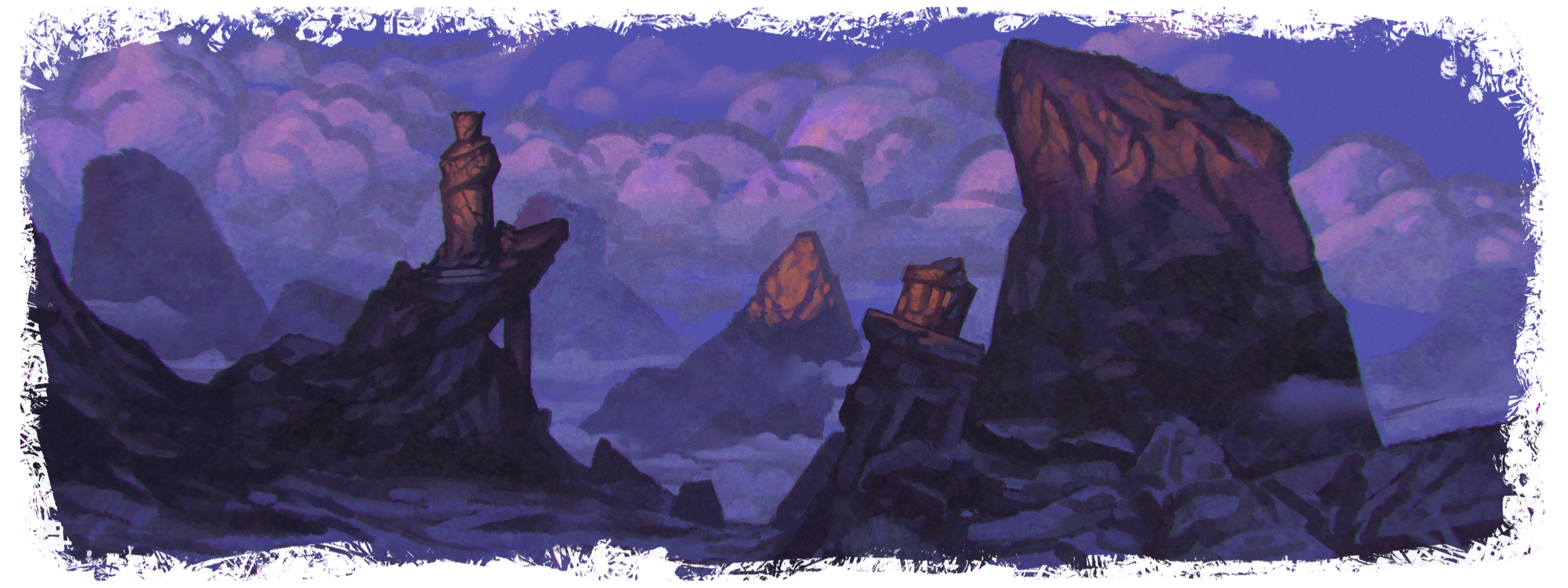
Fig 1. Thalos Plains of Ancient Torvin

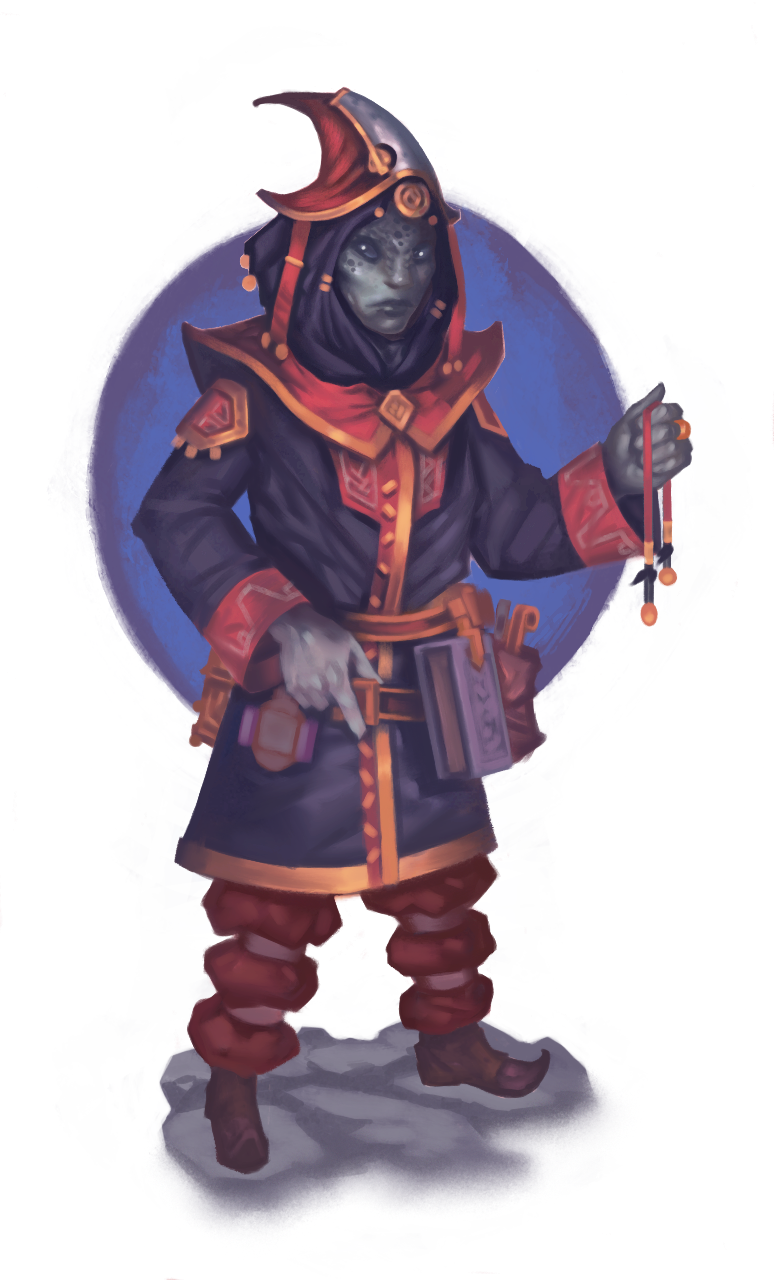
Fig 2. Memorari Scholar
The Memorari — a sect of scholars, were devoted to uncovering the hidden mysteries of their world. Part mystic, part alchemist, and part historian, they sought to unravel the mechanisms of existence that eluded their more primitive kin. Among their many studies, the subject of the Pale-Light Curse remained taboo. Though the Memorari claimed to pursue truth above all else, the order’s affluent caste held final authority over which matters were deemed worthy of inquiry — and which were to remain forbidden. These decrees were framed as suggestions, yet disobedience rarely went unpunished.


The Eagorate were a people shrouded in mystery - believed to dwell within the endless basins beyond the Kennoderm Forests. Hardy and secretive, tall of stature and marked by their glowing cerulean eyes, they kept largely to themselves, seldom mingling with the more sociable folk of the surface. Their history was one of endurance through hardship, yet they clung fiercely to their kin and customs, forming isolated enclaves across the desolate Thalos Plains — a land long forsaken by others.
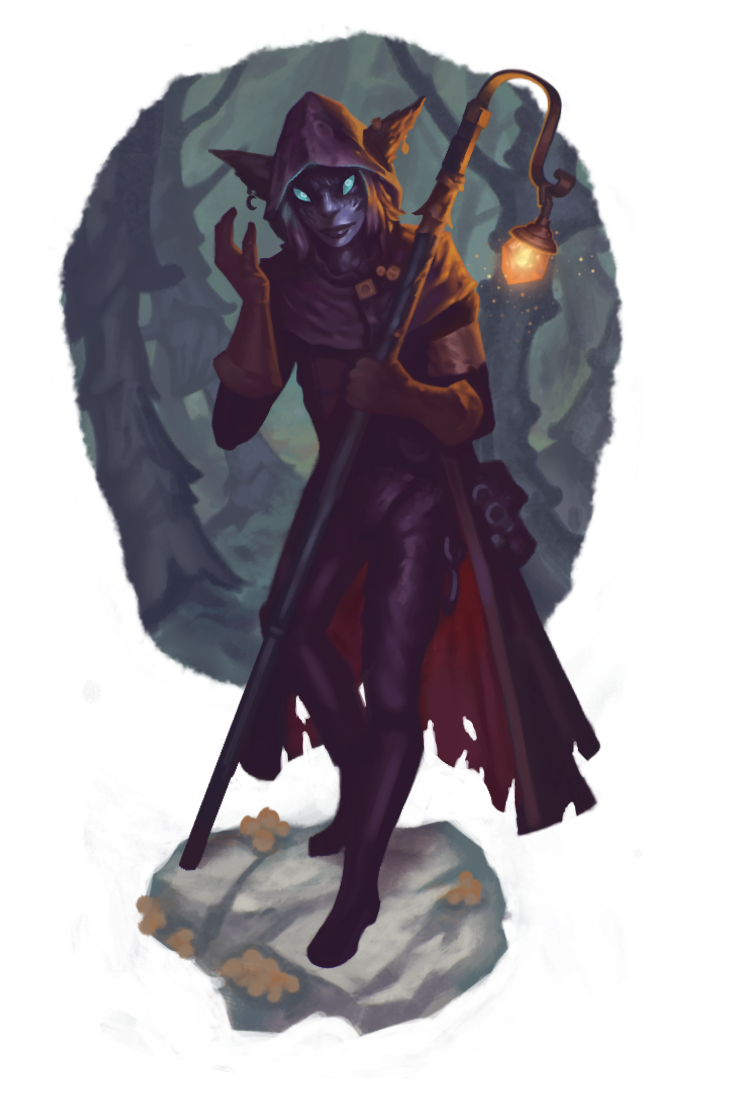
Fig 4. Eagorate Mist-Walker
The Kismitorin, in the age of the Pale-Light Curse, were a people lost to memory. Said to dwell beneath the firmament itself, they were shrouded in mystery — even more so than the Eagorate. Ancient songs and rites suggest that the two races once shared a common ancestry: kin of the old world, born long before the rise of civilization, and bound by a deep-earth pact forged in struggle that would one day vanish into legend.
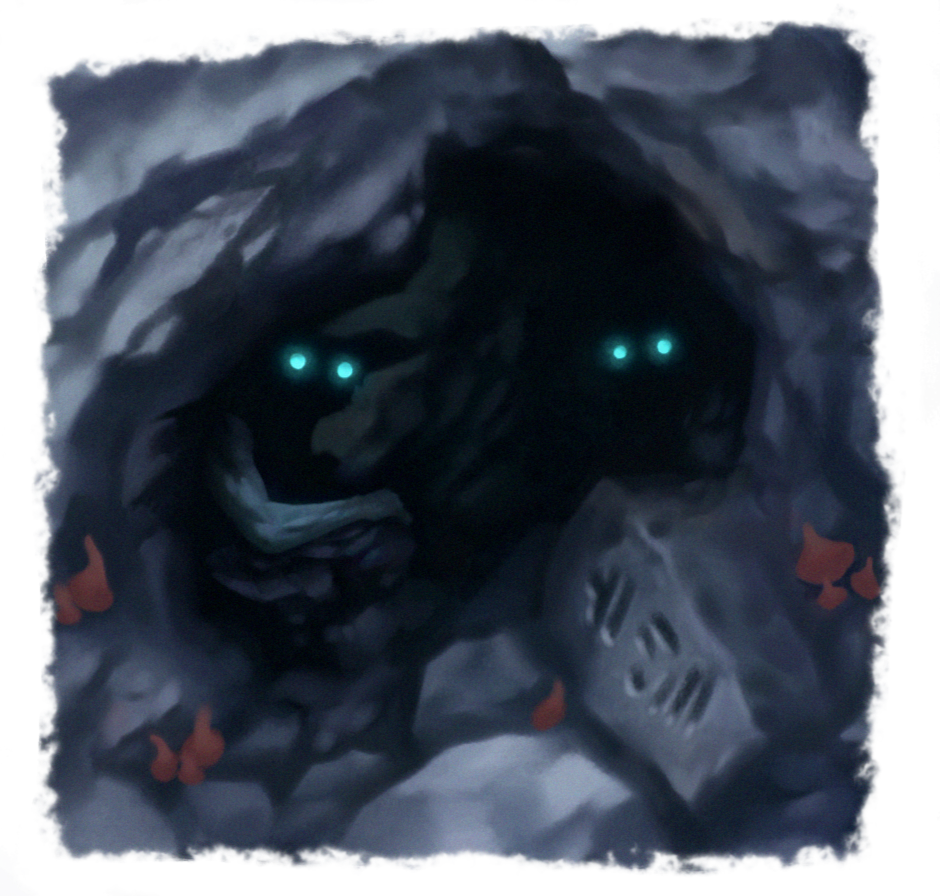
Fig 3. Kismitorin

Another buried legend speaks of the Necruldra — a most forbidden subject, its truths known only to the upper caste of the Memorari. Whispers of their existence linger within ancient scripture: towering, root-born beings, walking like disfigured trees beneath the storm-light. A terror of nightmare, the Necruldra were said to be no more than fable — stories recited to frighten children, or murmured in the secret rites of elder scholars who dared to remember what was meant to be forgotten.
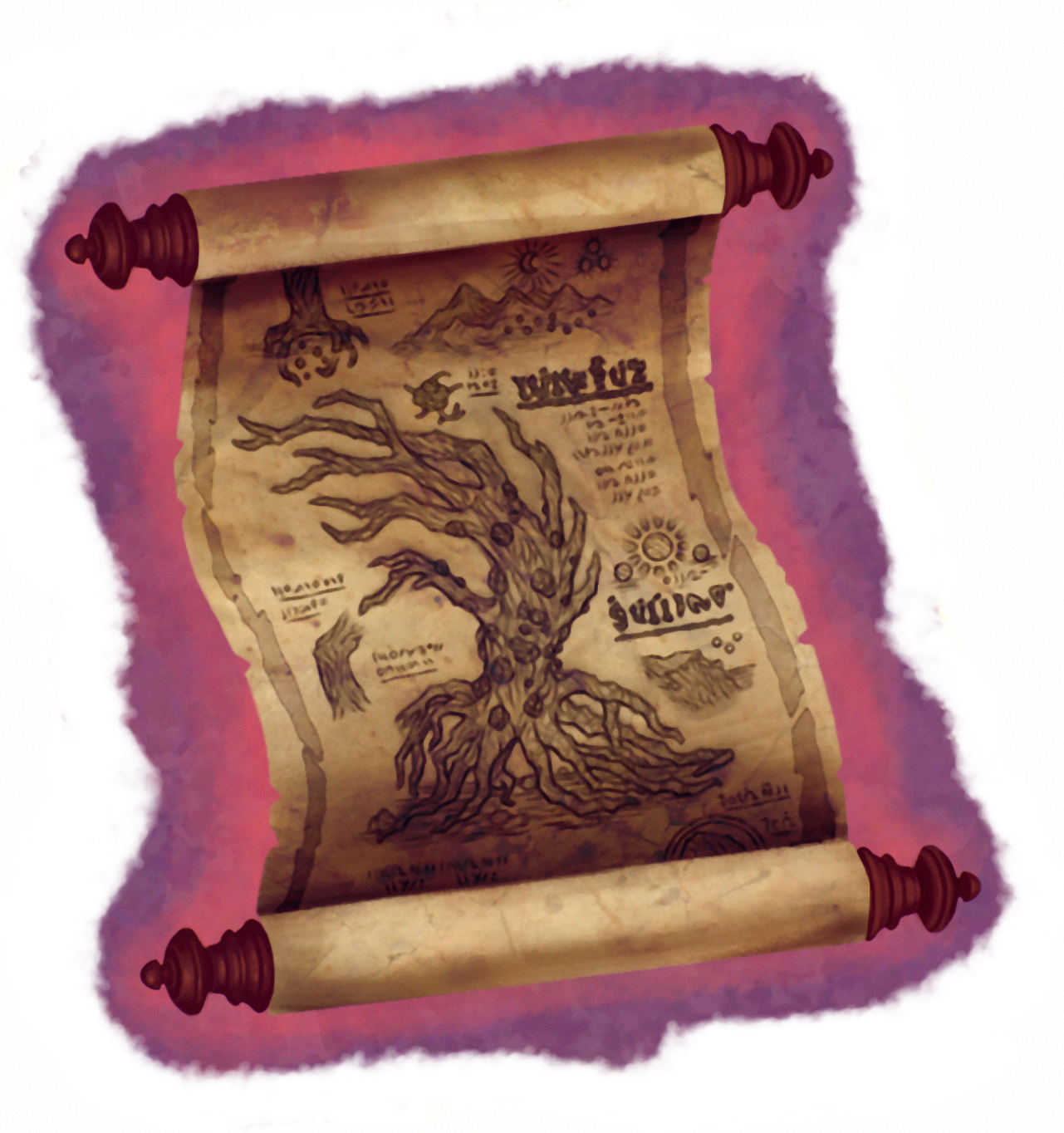
Fig 5. Memorari Scroll depicting The Ancient Necruldra
Ancient Memorari Poem:
“The Necruldra, rooted at birth into the soil. Tangled but moving, mud heaving and parting. In an age where the sun hid in fear, the un-promise of the mean. It stood watch before, yet set its course like a nomad — and where it went; the dreams of the young lay ruined in its wake.”